AI Observability

Transform AI systems from black boxes to observable ones. Track requests, logs, delays, errors and process status to assist the team in problem analysis and continuous improvement.

Observability Challenges

Is your AI system still a black box?

Inference results are difficult to predict and internal processes cannot be traced.
When an error occurs in the system, can the source of the problem be quickly identified?

unobservableUnable to see how AI actually works
Not traceableThe inference process and request path are not transparent
Difficult to troubleshootProblem locating is time-consuming and costly

AI Observability Core Capabilities

Integrate indicators, logs and process tracking to help the team understand AI system behavior and establish basis for troubleshooting and improvement.

Metrics
Metrics

System indicator monitoring

Track AI system operating indicators and understand performance changes, errors, and abnormal trends.

  • Inference latency and resource usage monitoring
  • Error rate and behavior change tracking
  • Custom business and model indicators
Logs
Logs

Interaction logging

Record necessary interactive data according to data policies to support problem troubleshooting, retrospective analysis and audit needs.

  • Record necessary input, response and relay information
  • Support keyword and exception search
  • Configurable storage period and masking rules
Traces
Traces

Process and inference tracking

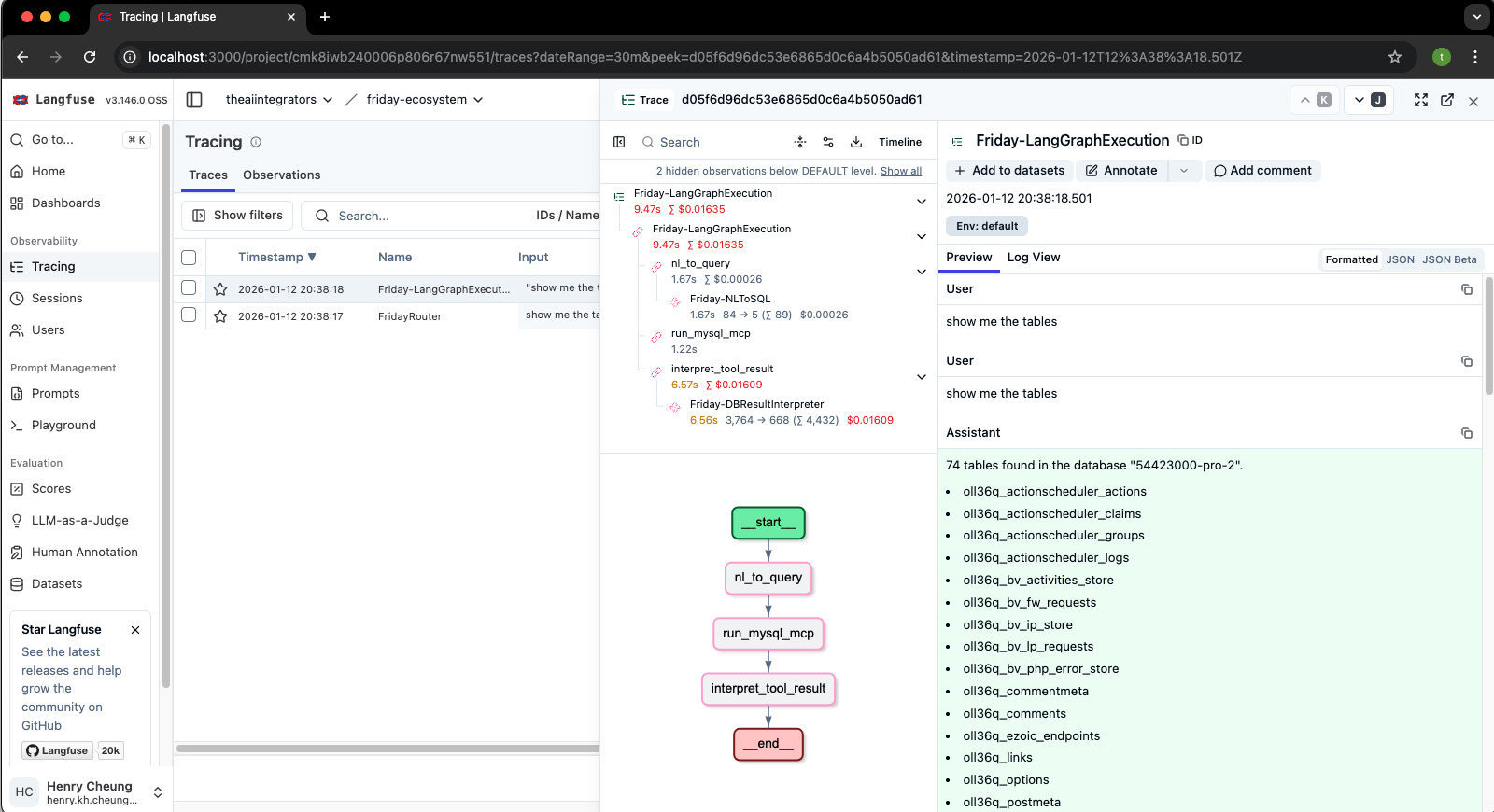
Trace multi-step AI task flows to help analyze delays, errors and dependencies.

  • Visualization of Agent and process execution paths
  • Analyze the time consumption and dependencies of each step
  • Assist in locating abnormal nodes in the process
Storage
Storage

Centralized management of observation data

Integrate indicators, logs and tracking data to support query and historical analysis.

  • Unified management of multiple types of data
  • Support efficient query and retrospective analysis
  • Flexible data storage and tiering strategies
Visualization
Visualization

Monitoring and Analysis Dashboard

The system status is presented through the dashboard to help the team analyze problems, trends and improvement directions.

  • Monitor system and model performance
  • Trend analysis and anomaly detection
  • Support cross-dimensional data analysis
Deployment
Deployment

Private deployment and data security

Deployment and data retention methods can be selected according to enterprise requirements, and the access and use scope of observation data can be controlled.

  • Supports local and private cloud deployment options
  • Configurable data retention and masking policies
  • Controllable data access and retention policies
AI Observability Dashboard
AI Observability

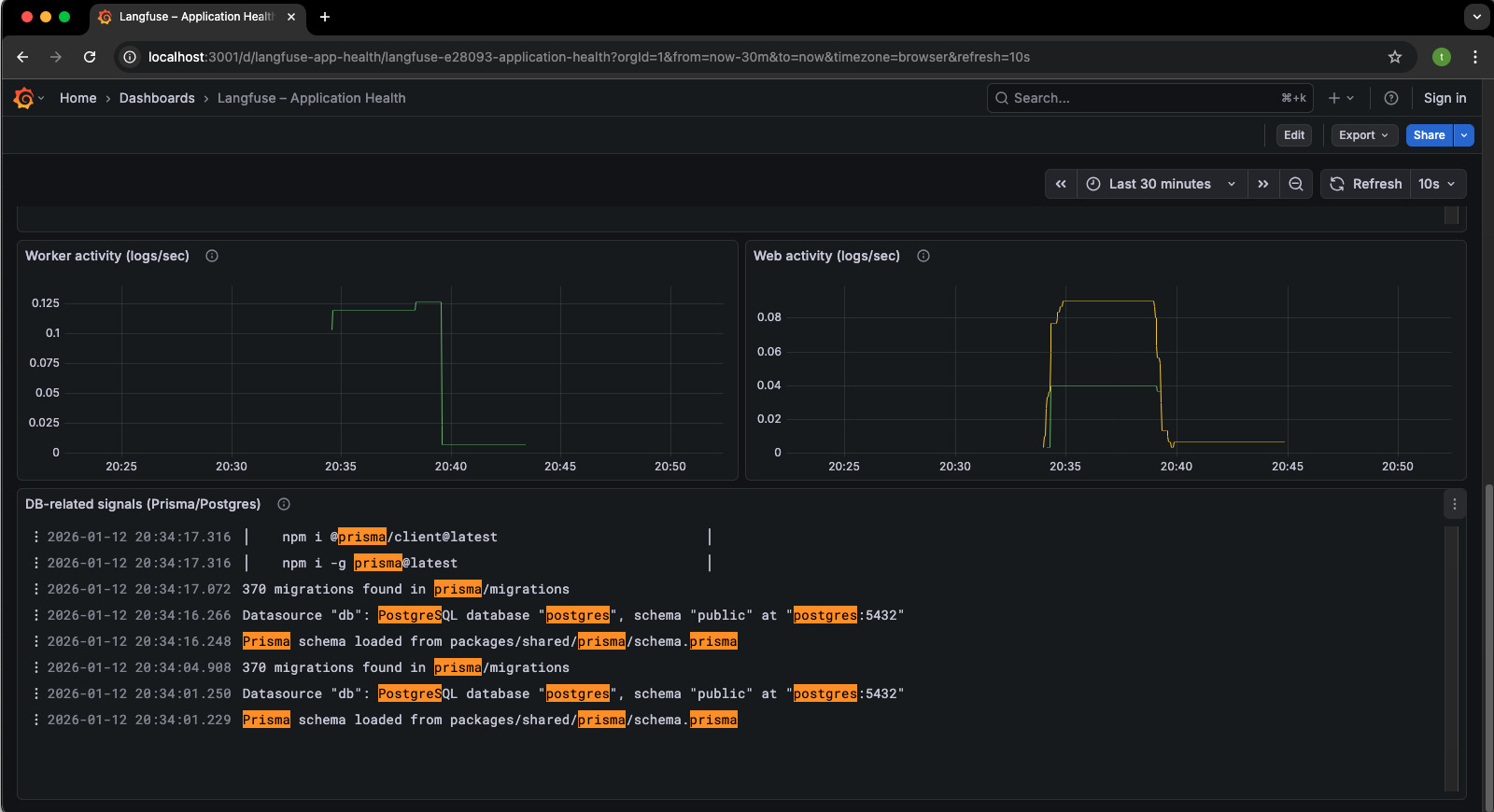
Observe the running status of the AI system

Centralized tracking of indicators, logs and inference processes turns the AI system from a black box to an observable one, helping the team understand the system status and troubleshoot problems.

  • Metrics: Track latency, error rates, and system resource usage
  • Logs: Record necessary content according to data policy to support problem tracing
  • Traces: Observe multi-step reasoning and task processes to help locate problem nodes
AI Behavioral Analysis and Tracing
Deep Analysis

Troubleshooting and behaviour analysis

Track data through indicators and processes, analyze AI system behavior and abnormal clues, and assist the team in troubleshooting and optimization.

  • Data correlation analysis: Combine Metrics and Traces to restore the entire system operation
  • Root cause analysis (RCA): Track each inference process to find the source of errors and anomalies
  • Continuous optimization support: Adjust prompts and model settings based on analysis results

Use cases

Support the monitoring, debugging and improvement of AI systems, and assist the team in establishing traceable operational basis

Reliability

System stability and performance monitoring

Continuously observe the running status of the AI system to support stability and performance analysis.

  • Track latency, error rates and resource usage
  • Identify performance fluctuations and anomalies
  • Analyze long-term operating trends
Troubleshooting

Troubleshooting and behavioral analysis

Restore AI system behavior through logs and trace data to help locate errors and anomalies.

  • Search and analyze historical conversations and output
  • Identify error patterns and anomalies
  • Restore the process where the problem occurred
Workflow Analysis

AI process and inference tracking

Track multi-step AI processes and analyze the execution and performance of each link.

  • Visualize requests and process paths
  • Analyze delays and dependencies of each step
  • Locate bottlenecks and errors in the process
Platform

Unified observation and management platform

Integrate observation data from different sources to provide a unified monitoring and analysis entrance.

  • Integrate metrics, logs and tracking data
  • Create cross-system monitoring views
  • Support team collaboration and decision-making

Import process

From observation data collection to problem analysis, establish a traceable AI operation and troubleshooting process

01

generate observation data

AI systems generate metrics, logs, and process traces (Traces) during operation.

02

Collect and integrate data

Collect data from different sources through a unified mechanism, and set fields, masks, and storage methods according to data policies.

03

Storage and query analysis

Centralize data management and support query, correlation analysis and historical review.

04

Monitoring and problem location

Observe system status through dashboards and analysis tools to help detect anomalies and locate problems.

FAQ

Learn how AI observability can help you monitor your systems and build a basis for troubleshooting

What data does the system collect?
Metrics, logs and traces can be collected during AI operation. Actual fields will be configured based on business needs, data sensitivity, and retention policies.
What system levels can be observed?
Observable system performance (latencies, error rates), content of AI responses, and execution status in multi-step processes.
Does the data need to be transferred to an external service?
Not necessarily. You can choose local, private cloud or other controlled deployment methods according to enterprise requirements, and set rules for access, retention and transmission of observation data.
Can existing AI systems be integrated?
Yes. Different AI applications can be connected through SDK, API or existing log pipelines to gradually collect observation data in a unified manner.
How can I help troubleshoot when a problem occurs?
Through indicators, logs and process tracking data, it helps the team compare errors, delays, request paths and contexts to shorten troubleshooting time.
How to check system status?
System indicators, trends, and exception clues can be viewed through the dashboard, and different views can be configured according to team roles.
How is sensitive information handled?
Sensitive data masking, field filtering, storage periods and access permissions can be set to avoid unnecessary retention of complete input or output content.

Building observational capabilities starting with an AI system

First clarify the indicators, logs and processes that need to be tracked, and then establish a basis for AI operation that can be checked and improved.